
Top Highlights
See All
›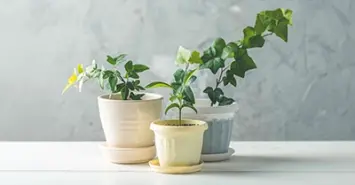
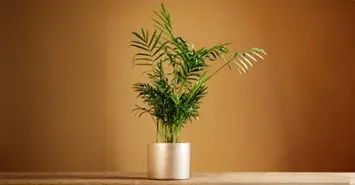
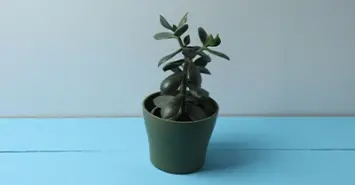
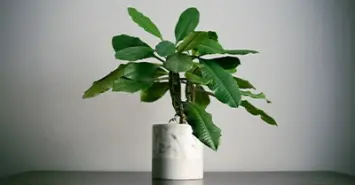

Every plant species grows in its own distinct way, creating unique patterns of movement, structure, and environmental interaction over time.
People often describe these differences as natural “vibrations” because plants influence surrounding spaces through appearance, growth rhythm, texture, fragrance, and seasonal change. Some plants grow slowly and quietly, while others spread rapidly or produce strong visual transformations during different stages of life. These characteristics can affect how environments feel emotionally and visually to people observing them. Scientific study explains these differences through biology, adaptation, and environmental response, while many cultural traditions interpret them more symbolically. This combination of physical growth and emotional perception is why different plant types are often associated with unique natural energy or atmosphere.
Different Growth Rhythms
One major reason plants appear to have unique natural presence is the difference in how they grow and respond to surroundings. Some plants develop gradually over long periods, while others react quickly to sunlight, water, and seasonal changes. Climbing plants move differently from flowering plants, and broad-leaf species create different visual effects compared with smaller structured greenery. These growth patterns influence how spaces look and feel over time. People observing plants regularly may notice rhythms connected with blooming, leaf movement, or seasonal transformation. This constant but gentle change creates a living presence that feels unique for each species and contributes to the idea of distinct natural “vibrations.”
Interaction With Environment
Plants continuously interact with light, temperature, air, moisture, and surrounding organisms throughout their life cycle. These environmental responses influence their shape, color, growth speed, and overall appearance. Some plants thrive in bright open areas, while others grow better in shade and quieter environments. Their ability to adapt creates visible differences in movement and development that people often interpret emotionally. Fragrance, texture, and even the way leaves reflect light can affect how individuals experience a space containing plants. Because every species responds differently to its surroundings, each one creates a slightly different atmosphere. This environmental interaction strengthens the perception that plants carry individual natural character and presence.
Emotional And Sensory Influence
People often connect emotionally with plants because natural forms influence mood, comfort, and visual experience in subtle ways. Soft leaves, flowing growth patterns, colorful blooms, or earthy scents may create feelings of calmness, freshness, or warmth depending on the plant type. These sensory experiences are sometimes described symbolically as energy or vibration because they affect atmosphere without direct physical communication. Certain plants may feel lively and energetic, while others appear peaceful and grounding through their shape and behavior. This emotional interpretation varies between cultures and individuals, but it explains why different plants are commonly associated with distinct moods, environments, and symbolic meanings in homes and natural spaces.
Life Cycle Creates Presence
The complete life cycle of plants also contributes to the sense that they possess unique natural energy. Germination, growth, flowering, seasonal change, and renewal all create visible reminders of living transformation over time. Unlike static decorative objects, plants continue evolving and responding to conditions every day. Watching these gradual changes can create stronger emotional connection and awareness of natural processes. Different species follow different cycles, making each plant type feel unique in timing and appearance. This living progression gives plants a sense of active presence within environments. Their continuous growth and adaptation are major reasons people describe them as carrying individual “vibrations” or natural life energy.
Why Plants Feel So Distinct
Plants are often said to emit unique natural “vibrations” because every species interacts with growth, environment, and life cycles differently. Their movement, structure, fragrance, color, and seasonal behavior create distinct visual and emotional experiences for people observing them. Scientific explanations describe these differences through biology and environmental adaptation, while symbolic interpretations connect them with mood and atmosphere. Because plants continuously change and respond to surroundings, they create living environments that feel active and emotionally meaningful. This balance between natural growth and human perception explains why different plant types are often associated with unique forms of presence, energy, and emotional influence within everyday spaces.